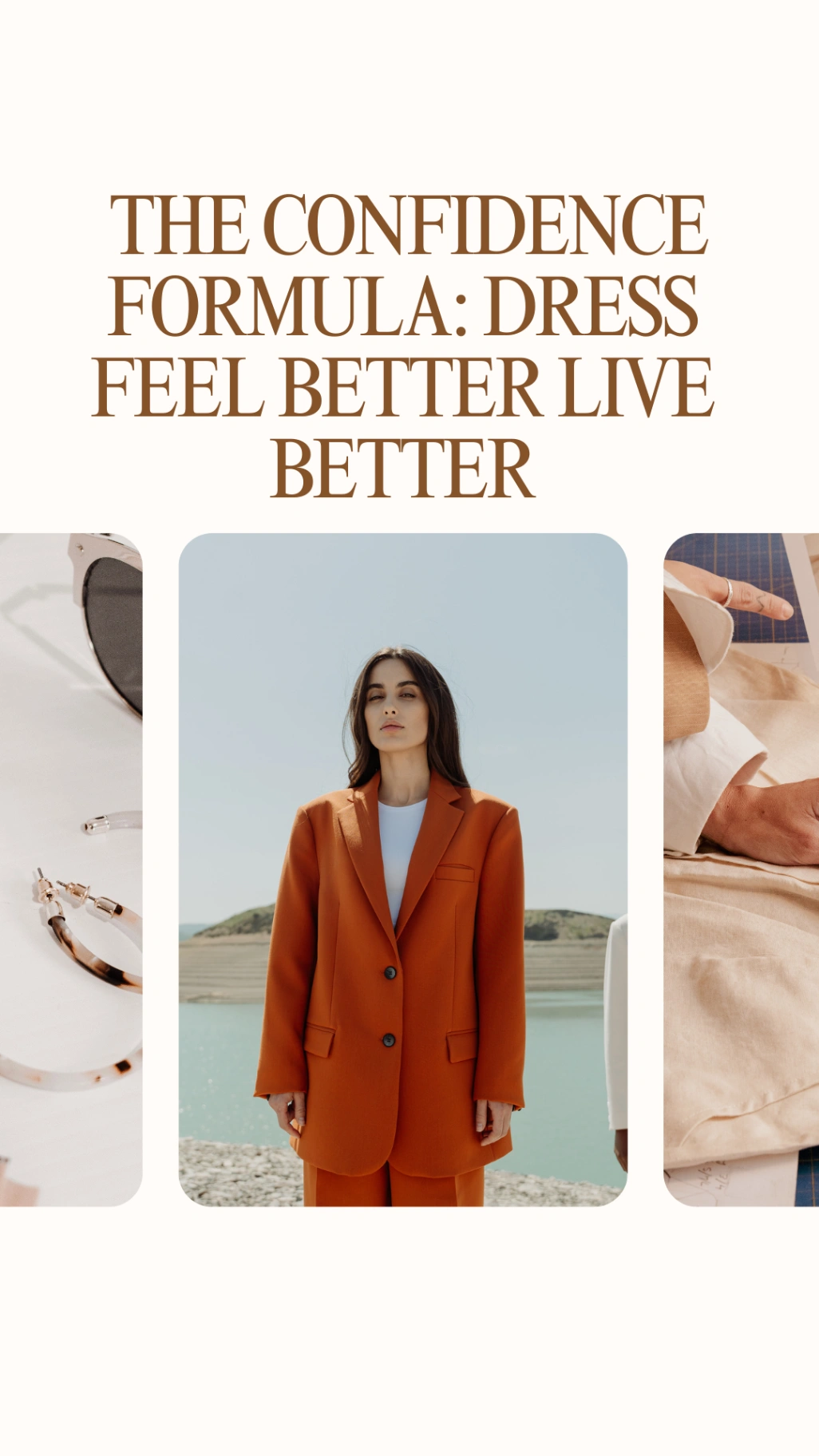
The Confidence Formula: Dress Feel Better Live Better
Introduction
Have you ever noticed how wearing your favorite outfit instantly changes the way you feel? The right clothes can make you stand taller smile more and walk with confidence. On the hand wearing something that doesn’t fit well or doesn’t reflect your personality can leave you feeling uncomfortable and self-conscious. This isn’t your imagination—it’s a psychological phenomenon that shows how closely our clothing is connected to our emotions, confidence and behavior.
Confidence is often seen as something people are born with. The truth is that confidence can be developed through everyday habits. One of the most effective habits is dressing in a way that makes you feel comfortable, authentic and prepared for the day ahead. Your wardrobe is more than a collection of clothes; it is a tool that helps you express your personality communicate your values and influence how you see yourself.
In todays paced world first impressions matter more than ever. Whether you’re attending a job interview meeting friends giving a presentation or simply running errands your appearance plays a role in how you feel and how others perceive you. While true confidence comes from within the way you dress can strengthen that confidence and help you present the best version of yourself.
The confidence formula is simple:” Dress Feel Better Live Better.” When you wear clothes that fit well suit your personality. Make you feel comfortable your mood often improves. A better mood leads to confidence and confidence positively influences your relationships, career, decision-making and overall quality of life.
This guide explores the psychology behind dressing explains how fashion affects your mindset and provides practical advice for creating a wardrobe that supports your personal growth. By the end of this article you’ll understand why confidence isn’t about wearing brands—it’s about wearing clothes that help you feel like the best version of yourself.

What Confidence Really Means
Confidence is often misunderstood as being loud outgoing or constantly seeking attention. In reality confidence is much quieter. It is the ability to trust yourself appreciate your strengths and face challenges without allowing fear to control your decisions. Confident people are not perfect. Do they believe they are better than everyone else. Instead they accept their imperfections while continuing to grow and improve.
True confidence begins with self-acceptance. It develops when you stop comparing yourself to standards and start appreciating your unique qualities. This includes your personality, talents, experiences, values and personal style. Clothing cannot create confidence on its own. It can reinforce the confidence that already exists within you.
Many people experience moments of insecurity before events. Choosing an outfit that fits well and reflects their personality often helps reduce anxiety because they feel prepared and comfortable. This demonstrates how appearance influences readiness. When you feel good about how you look your attention shifts away from worrying about your appearance and toward focusing on the task at hand.
Confidence also affects body language. People who feel confident naturally stand taller maintain posture smile more frequently and make stronger eye contact. These nonverbal behaviors influence how others respond to them while simultaneously reinforcing their positive emotions. In cases simply dressing in a way that makes you feel capable encourages these confident behaviors.
It is important to understand that confidence does not require perfection. Waiting until you have the “body, wardrobe or lifestyle before feeling confident only delays your happiness. Instead confidence grows each time you choose to appreciate yourself as you are while continuing to improve through habits.
Another key element of confidence is authenticity. Wearing clothes that genuinely reflect your personality creates comfort because your appearance matches your identity. Whether your style is classic, minimalist, elegant, colorful or casual expressing yourself honestly helps you feel more relaxed and genuine.
Confidence is ultimately a quality strengthened by external actions. Dressing intentionally becomes one of those actions because it reminds you that you deserve care, respect and self-expression every day.
The Psychology of Dressing Better
Clothing influences more than your appearance—it affects your thoughts, emotions and behavior. Psychologists have long studied how clothing impacts confidence, productivity and social interactions. Their findings suggest that what you wear can influence how you think about yourself well as how others perceive you.
One reason clothing affects confidence is because it creates associations. For example wearing clothing may remind you of competence and responsibility while comfortable casual clothing often encourages relaxation. Your brain naturally connects outfits with specific emotions and experiences causing your mindset to shift accordingly.
Another important concept is self-perception. People often judge themselves based on their appearance before anyone else has the chance to do so. Looking in the mirror and seeing an outfit that fits well and reflects your personality creates an internal message. This message strengthens self-belief. Encourages confident behavior throughout the day.
Dressing better does not mean purchasing designer clothing. Confidence comes from wearing well-fitting clothes that suit your body shape, personal style and lifestyle. A simple outfit chosen with intention often creates an impression than expensive clothing worn without confidence.
Color also plays a role. Bright colors may increase feelings of energy and optimism while neutral shades often communicate calmness and sophistication. Choosing colors that complement your personality and make you feel comfortable contributes to well-being and confidence.
Good grooming further strengthens the benefits of dressing well. Clean hair, skin, polished shoes and neatly maintained clothing demonstrate self-respect. These small habits influence how you feel before you even leave the house. Of worrying about your appearance you begin your day feeling prepared and capable.
Fashion also serves as a form of communication. Without saying a word your clothing provides clues about your personality, interests, creativity and professionalism. Dressing intentionally allows you to express your identity while making a first impression.
Importantly dressing better is not about seeking approval from others. It is about creating an appearance that helps you feel comfortable, authentic and confident in your skin. When your outward appearance aligns with your values confidence becomes much more natural.
The relationship between fashion and psychology demonstrates a powerful truth: when you dress with purpose you often think with greater confidence act with more assurance and approach life with a more positive mindset.
How Clothing Changes Your Mood
Have you ever put on an outfit and felt like you can take on the world? This is because what you wear can really affect how you feel. When you wear clothes that make you feel good you are more likely to feel happy and confident. Your brain is like a computer. What you wear is like the software it uses to figure out how to feel.
When your clothes fit well and look good you feel more ready to take on the day. You are more likely to want to go out and do things. You are more likely to feel good about yourself. This is because your brain is getting messages from what you are wearing. On the hand if your clothes are uncomfortable or do not look good you may feel self-conscious and unsure of yourself.
The colors you wear can also affect how you feel. Bright colors like yellow and orange can make you feel happy and energetic. Calm colors like blue can make you feel relaxed and peaceful. Black is a color that can make you feel confident and strong. White is an simple color that can make you feel fresh and new. Green is a balancing color that can make you feel calm and focused.
Comfort is also very important. If your clothes are uncomfortable you may feel distracted and unsure of yourself.. If your clothes are comfortable you can focus on what you are doing and feel more confident. This is why it is so important to wear clothes that feel good and fit well.
Many people find that dressing well helps them feel more motivated. Even if you are just staying home putting on an outfit can help you feel more focused and ready to work. This is because your brain gets the message that it’s time to be productive and get things done.
What you wear can also affect how you interact with people. When you feel confident and good about yourself you are more likely to smile and talk to people. This can help you make friends and have more positive relationships.. When you have positive relationships you are more likely to feel good about yourself and have even more confidence.
In the end what you wear is a tool that can help you feel more confident and happy. It is not about looking good it is about feeling good too. So take the time to choose an outfit that makes you feel great. You will be amazed at how much of a difference it can make.
The Science Behind Enclothed Cognition
There is a really cool idea in psychology called enclothed cognition. This idea says that what you wear can actually affect how you think and feel. It is not about looking good it is about feeling good too. When you wear clothes that make you feel confident and capable you are more likely to act that way.
For example imagine you are getting ready to give a presentation. If you put on a suit or dress you may feel more professional and confident. This is because your brain is getting the message that you’re capable and ready to do a great job. On the hand if you wear something that makes you feel uncomfortable or unsure of yourself you may not do as well.
Researchers have found that what you wear can actually affect how you perform. If you wear clothes that make you feel smart and capable you are more likely to do on a test or in a challenging situation. This is because your brain is getting messages from what you are wearing and it is helping you to feel more confident and focused.
The reason this happens is that your brain is always interpreting the information it gets from what you’re wearing. When you see yourself in the mirror your brain is getting a message about who you’re what you are capable of. If you wear clothes that make you feel good about yourself your brain is more likely to think thoughts and feel confident.
This idea can be applied to life. If you want to feel more creative wear clothes that inspire you. If you want to feel more confident wear clothes that make you feel capable and strong. What you wear is a tool that can help you feel more confident and capable and it can make a big difference in your life.
Why First Impressions Matter
When you meet someone for the time they are going to form an opinion about you right away. This is called an impression and it can be very important. What you wear can play a role in what people think of you and it can affect how they treat you.
Your clothes can send a message about who you’re what you are like. If you wear clothes that’re clean and well-fitted people may think you are responsible and caring. If you wear clothes that’re messy or uncomfortable people may think you are lazy or unaware. This is why it is so important to dress and take care of your appearance.
It is not about looking good it is about feeling good too. When you wear clothes that make you feel confident and comfortable you are more likely to act that way. You are more likely to smile make eye contact and be friendly. This can make a difference in how people respond to you and it can help you make a positive first impression.
First impressions can affect areas of your life. They can affect how people treat you at work how they respond to you in situations and even how they think of you as a person. This is why it is so important to dress and take care of your appearance. It is not about looking good it is about feeling good and making a positive impression.
How Confidence Influences Everyday Success
Confidence is an important thing. It can affect how you feel about yourself how you interact with others and even how successful you are. When you have confidence you are more likely to try things take risks and pursue your goals. This is because you believe in yourself and your abilities and you are not afraid to go after what you want.
At work confidence can make a difference. When you feel confident you are more likely to speak up share your ideas and take on challenges. This can help you get noticed get promoted and achieve your goals. It is not about being talented or skilled it is about believing in yourself and your abilities.
Confidence can also affect your relationships. When you feel confident you are more likely to be yourself be honest and be open with others. This can help you build more meaningful relationships and it can even help you make new friends. This is because people are drawn to positive people and they want to be around them.
What you wear can play a role in how confident you feel. When you wear clothes that make you feel good about yourself you are more likely to feel confident and capable. This is because your brain is getting messages, from what you are wearing and it is helping you to feel more confident and focused.
In the end confidence is a thing. It can affect areas of your life and it can help you achieve your goals and pursue your dreams. By dressing taking care of your appearance and believing in yourself you can build confidence and achieve great things. This is the confidence formula: Dress Feel Better, Live Better.
Building a Confidence-Boosting Wardrobe
A confident wardrobe is not about owning hundreds of clothes or following every fashion trend. Instead, it is about having a collection of outfits that make you feel comfortable, stylish, and prepared for every occasion. When every piece in your closet fits well and reflects your personality, getting dressed becomes easier and far more enjoyable.
The first step is to focus on quality over quantity. A few well-made pieces that fit perfectly are often more valuable than a closet full of clothes you rarely wear. Choosing durable fabrics and timeless designs ensures that your wardrobe remains useful for years rather than just one season.
Fit is one of the most important factors in confident dressing. Even expensive clothing can look unflattering if it doesn’t fit properly. Clothes that are too tight may feel uncomfortable, while oversized garments can hide your natural shape. Wearing clothing that fits your body comfortably allows you to move naturally and feel more confident throughout the day.
Versatility is another key element of a practical wardrobe. Neutral-colored blazers, classic jeans, tailored trousers, white shirts, little black dresses, and simple knitwear can be mixed and matched in countless ways. These essentials make it easy to create stylish outfits without constantly buying new clothes.
Confidence also comes from organization. Keeping your wardrobe neat and removing clothes that no longer fit or suit your style reduces decision fatigue. Instead of feeling overwhelmed every morning, you’ll enjoy choosing from clothes that genuinely make you feel good.
Accessories can further enhance confidence. A quality handbag, elegant watch, scarf, belt, or pair of shoes often transforms a simple outfit into something polished. Small details communicate attention to style without overwhelming your overall look.
Most importantly, build your wardrobe around your lifestyle rather than someone else’s. If you spend most of your time at work, invest in professional clothing. If you enjoy casual weekends, prioritize comfortable yet stylish everyday outfits. A wardrobe designed around your real life will always feel more authentic than one built around temporary trends.
Choosing Colors That Inspire Confidence
Color has a remarkable influence on emotions, making it one of the most powerful tools in fashion psychology. While personal preference always matters, different colors often create different emotional responses that affect both how you feel and how others perceive you.
Black remains one of the most popular confidence colors because it represents elegance, sophistication, and authority. Many people choose black outfits for important meetings, formal events, or occasions where they want to appear polished and professional.Blue is often associated with trust, intelligence, and calmness. It is commonly worn in business settings because it creates a reliable and approachable impression. Navy blue, in particular, offers many of the same benefits as black while feeling slightly softer.
White symbolizes freshness, simplicity, and confidence. A crisp white shirt or blouse creates a clean and timeless appearance that works well in both casual and professional settings.
Red is often linked to energy, passion, and confidence. Wearing red can help people feel bold and make a memorable impression. Because it naturally attracts attention, many choose red for celebrations, presentations, or special occasions.
Green creates feelings of balance and harmony. Earthy shades of green often provide a calming effect while remaining fashionable throughout every season.
Soft neutral colors such as beige, cream, and gray communicate sophistication and versatility. These shades are easy to combine with brighter colors while maintaining an elegant appearance.
The most important rule is choosing colors that make you feel confident rather than simply following fashion trends. Your emotional connection to a color often matters more than its traditional psychological meaning. When you genuinely enjoy wearing a certain shade, your confidence naturally increases.
Dressing for Your Body Type with Confidence
One of the biggest misconceptions in fashion is that confidence depends on having a certain body shape. In reality, confidence comes from learning how to dress your unique body in ways that make you feel comfortable and authentic.
Every body type has its own strengths, and understanding your proportions helps you choose clothing that enhances your natural shape. Rather than trying to hide your body, confident dressing focuses on creating balance while highlighting the features you love most.
Choosing the correct size is essential. Many people wear clothing that is either too small or too large because they focus on the number on the label rather than the actual fit. Remember that sizing varies between brands, and the most flattering outfit is always the one that fits comfortably.
Fabric also plays an important role. Structured fabrics create clean lines and polished silhouettes, while softer fabrics offer movement and comfort. Selecting materials that suit both your body shape and the occasion contributes to a more confident appearance.
Tailoring is another valuable investment. Small adjustments such as shortening sleeves, hemming trousers, or adjusting the waist can dramatically improve the way clothing fits. Tailored garments often look more expensive because they appear custom-made.
Avoid dressing solely to follow trends. Fashion trends change every season, but your confidence should not depend on temporary styles. Instead, choose designs that complement your figure and allow your personality to shine.
Confidence grows when you stop comparing your body to unrealistic standards. Every body deserves clothing that fits beautifully, feels comfortable, and allows freedom of movement. Fashion should celebrate individuality rather than encourage impossible expectations.
Creating Your Signature Style
A signature style is a consistent way of dressing that reflects your personality and helps people recognize your unique sense of fashion. It is not about wearing the same outfit every day but about creating a wardrobe with a clear identity that feels authentic to you.
Developing your signature style begins with understanding what makes you feel confident. Some people naturally prefer classic tailoring, while others enjoy modern minimalism, romantic elegance, sporty fashion, or creative statement pieces. Your personal style should reflect who you are rather than who social media tells you to become.
Inspiration can come from many places, including fashion magazines, designers, films, and stylish individuals. However, inspiration should never become imitation. Instead of copying complete outfits, adapt ideas that suit your personality and lifestyle.
Consistency also helps define your style. Wearing similar color palettes, favorite accessories, or recognizable silhouettes creates a cohesive wardrobe that feels intentional. Over time, people begin associating those elements with your personal identity.
Accessories often become the defining feature of a signature look. A structured handbag, elegant jewelry, scarves, hats, watches, or distinctive shoes can make even simple outfits memorable. These details allow you to express creativity while maintaining versatility.
Most importantly, confidence is the foundation of every signature style. The most fashionable people are rarely those wearing the most expensive clothes—they are the ones who wear their outfits with comfort, authenticity, and self-assurance.
Your signature style should evolve as you grow. Life changes, careers develop, and personal tastes mature over time. Allow your wardrobe to change with you while remaining true to the qualities that make you feel most confident.
A confident wardrobe is ultimately about expressing your best self. When your clothes reflect your values, personality, and lifestyle, getting dressed becomes an act of self-care rather than a daily challenge.
The Daily Habits of Confident Dressers
Confidence doesn’t happen by accident. People who always seem stylish and self-assured usually follow simple daily habits that help them look and feel their best. These habits are not about wearing expensive brands or constantly shopping for new clothes. Instead, they focus on consistency, self-care, and intentional choices.
One of the most important habits is preparing outfits in advance. Rather than rushing every morning, confident dressers often decide what to wear the night before. This saves time, reduces stress, and allows them to begin the day feeling organized and prepared.
They also take good care of their clothes. Clean, wrinkle-free garments instantly create a polished appearance. Properly storing clothes, shining shoes, and replacing worn-out items help maintain a wardrobe that always looks fresh and stylish.
Another common habit is dressing appropriately for the occasion. Whether attending a business meeting, a family gathering, or a casual lunch with friends, confident people choose outfits that match the setting while staying true to their personal style. This balance helps them feel comfortable and confident wherever they go.
Confident dressers also pay attention to grooming. Healthy hair, clean nails, fresh skin, and good personal hygiene complete an outfit and contribute to a positive self-image. These small details often make a bigger difference than expensive accessories.
Perhaps the most important habit is dressing for themselves rather than seeking approval from others. They wear clothing that reflects their personality and makes them feel authentic. Because their confidence comes from within, they are less influenced by temporary trends or outside opinions.
Common Style Mistakes That Reduce Confidence
Many people unknowingly make fashion choices that affect how they feel about themselves. Fortunately, these mistakes are easy to avoid once you recognize them.
One common mistake is wearing clothes that don’t fit properly. Clothing that is too tight can feel restrictive, while oversized garments may hide your shape and create an untidy appearance. Well-fitting clothes instantly improve both comfort and confidence.
Another mistake is keeping clothes that no longer suit your lifestyle. Many wardrobes are filled with items that no longer fit, are outdated, or are rarely worn. These pieces create unnecessary clutter and make getting dressed more difficult. A well-organized wardrobe filled with clothes you actually enjoy wearing makes everyday decisions much easier.
Ignoring comfort is another issue. Fashion should never require constant discomfort. Shoes that hurt your feet or fabrics that irritate your skin can distract you throughout the day. Choosing comfortable clothing allows you to focus on your goals instead of adjusting your outfit.
Following every fashion trend can also reduce confidence. Trends come and go quickly, and not every style suits every person. Building your wardrobe around timeless pieces and adding trends selectively creates a more authentic and lasting sense of style.
Many people also underestimate the importance of confidence itself. Even a beautiful outfit cannot fully shine if you spend the entire day worrying about what others think. Confidence comes from accepting yourself and wearing your clothes with pride.
How Fashion Improves Every Area of Life
Fashion is often viewed as something purely visual, but its effects reach much further. The way you dress can influence your career, relationships, productivity, and emotional well-being.
In professional settings, dressing confidently often improves communication and self-belief. When you feel prepared, you are more likely to share ideas, participate in discussions, and take on leadership opportunities. Your clothing becomes a reminder that you are capable and ready to succeed.
Fashion also influences social relationships. Feeling comfortable in your appearance makes conversations easier because your attention shifts away from self-consciousness. Instead of worrying about how you look, you become more present with the people around you.
Personal style encourages self-expression. Clothing allows you to communicate creativity, professionalism, elegance, or individuality without saying a word. Wearing outfits that genuinely represent your personality helps attract people who appreciate you for who you are.
Looking after your appearance also supports mental health. Simple routines such as getting dressed, grooming yourself, and wearing clothes you love create structure and positivity, especially during stressful periods. These daily habits remind you that you deserve care and attention.
Fashion can even influence motivation. Many people notice that dressing intentionally encourages them to work harder, exercise more, or approach challenges with greater determination. Looking your best often inspires you to perform at your best.
Practical Ways to Stay Confident Every Day
Confidence is built through small actions repeated consistently. Every day offers new opportunities to strengthen your self-belief through positive habits.
Start each morning by choosing an outfit that makes you feel comfortable, capable, and authentic. Your clothing should support your confidence rather than create unnecessary stress.
Practice positive self-talk whenever you look in the mirror. Instead of immediately searching for flaws, appreciate your strengths and acknowledge the effort you put into caring for yourself. Small changes in your inner dialogue create lasting improvements in self-esteem.
Continue investing in your wardrobe thoughtfully rather than impulsively. Buy pieces that fit well, suit your lifestyle, and work with the clothes you already own. A carefully planned wardrobe is both practical and confidence-boosting.
Take care of your physical health as well. Regular exercise, nutritious food, quality sleep, and stress management all contribute to feeling stronger, healthier, and more confident. Fashion works best when it complements overall well-being.
Most importantly, remember that confidence is a journey rather than a destination. Some days you will naturally feel more confident than others, and that is completely normal. Continue choosing clothes that reflect your personality, caring for yourself with kindness, and focusing on progress instead of perfection.
The confidence formula is beautifully simple: “dress better to feel better, and when you feel better, you are more likely to live better.” Your wardrobe cannot solve every challenge, but it can become a powerful tool that supports your mindset, strengthens your confidence, and encourages you to become the best version of yourself every single day.
Final Thoughts
Confidence is not about chasing perfection or trying to impress everyone around you. It is about feeling comfortable in your own skin and choosing clothing that reflects your personality, values, and lifestyle. Every outfit you wear tells a story, and the most memorable stories are those that are authentic.
Fashion should never make you feel pressured to become someone else. Instead, it should help you celebrate your individuality. Whether your style is classic, modern, minimalist, elegant, or colorful, wearing clothes that make you feel good creates a powerful connection between your appearance and your mindset.
Remember that confidence grows through small daily choices. Choosing clothes that fit well, practicing good grooming, maintaining positive self-talk, and appreciating your unique qualities all contribute to a stronger sense of self-worth. These habits may seem simple, but together they create lasting confidence that extends far beyond fashion.
Conclusion
The true confidence formula is much more than wearing beautiful clothes. It is about developing a positive relationship with yourself and allowing your appearance to support the person you already are. When your clothing reflects your personality instead of hiding it, you naturally feel more comfortable, capable, and authentic.
Throughout this guide, we’ve explored how fashion influences psychology, how clothing affects emotions, why first impressions matter, and how building the right wardrobe can improve everyday life. These lessons demonstrate that style is not about following every trend or buying the most expensive outfits. Instead, it is about making thoughtful choices that help you feel your absolute best.
Every morning offers a fresh opportunity to choose confidence. The outfit you wear can remind you of your strengths, encourage you to pursue your goals, and help you face the world with optimism. Even small improvements in your wardrobe can create meaningful changes in how you think, behave, and interact with others.
Always remember that the most beautiful thing you can wear is genuine confidence. Clothes may complete your look, but self-belief gives every outfit its true power. When you dress better, you often feel better. When you feel better, you think more positively, act more confidently, and create a happier, more fulfilling life.
So the next time you stand in front of your wardrobe, don’t just ask yourself what you want to wear. Ask yourself how you want to feel. The answer may become the beginning of a more confident, stylish, and successful version of yourself.

