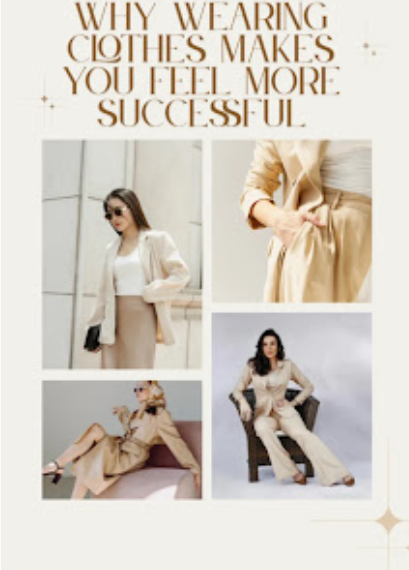
Why Wearing Clothes Makes You Feel More Successful
Introduction
Success is often linked with work, knowledge, determination and persistence. While these traits are important one thing that is often not considered is the way we dress. Clothing might seem like a part of daily life but studies in psychology show that what we wear can affect how we think, feel and act. A good outfit does more than look nice—it can boost confidence shape how you think and help you face challenges with an attitude.
Think about the time you wore something that made you feel good. Maybe it was a made jacket for an important meeting a smart dress for a special occasion or just a favorite pair of jeans with a nice shirt. You probably stood a little taller smiled more and felt more ready for the day. That feeling is real. Experts have found that what you wear can affect your emotions, how you act and even the choices you make.
Many people who are successful understand the power of dressing on purpose. Leaders, bosses, professionals and people who speak in public often choose clothes that help them feel confident and capable. They know that dressing well is not about showing off money or following every fashion trend. It is about presenting yourself in a way that shows you are professional respect yourself and are ready to achieve success.
The link between clothes and confidence also goes beyond work. Whether you are going to a job interview meeting friends studying for a test or just doing tasks the clothes you wear influence how you see yourself. Feeling comfortable and confident in your clothes often helps you have an attitude making daily tasks easier to handle.
Another reason clothes matter is because first impressions happen fast. Before people even speak they often notice how someone looks, their posture and how they are dressed. Dressing nicely helps make an impression and also helps you feel more confident. As a result you are more likely to talk feel more at ease and go after chances with more energy.
In this guide we will look at why wearing clothes helps you feel more successful. You will learn about the psychology of fashion how clothes shape how you think why looking affects confidence and how building a smart wardrobe can improve your life both at home and at work.

The Psychology Behind Dressing Well
The link between what people wear and how they act has psychologists for a long time. Fashion is not just about looking good—it also affects feelings, confidence, drive and how people interact with the world. This interesting link is called the psychology of dressing.
Each outfit tells a story, both to others and to yourself. Clothes can stand for professionalism, creativity, confidence or relaxation. Importantly your brain reacts to these visual signals. When you wear clothes that make you feel strong and good your thoughts often become more positive. Your confidence grows naturally.
Psychologists use the idea of “enclothed cognition” to explain this. This theory says that what you wear affects how you think and act. The meaning of the clothes you wear combined with the experience of wearing them changes your thoughts and behavior. For instance wearing clothes may help you think more clearly while wearing sports clothes can push you to be more active.
The psychology of dressing also explains why people choose clothes for different events. A formal outfit might help someone feel ready for a presentation while casual clothes help someone relax on the weekend. These choices match the emotions needed for each situation.
Another key part of fashion psychology is identity. Your style lets you show who you are without saying a word. When clothes match your personality and values you often feel more confident because your outside looks match how you see yourself inside.
Fashion psychology also shows how people connect emotionally with clothes. A favorite jacket might bring back memories of a fun trip while a fancy dress might remind someone of a celebration or personal win. These memories make clothes more than useful—they become meaningful.
Understanding the psychology of dressing well helps you use fashion as a tool to feel better be less stressed and get ready for success. Of thinking of clothes as just something to wear you start to see how powerful they are in daily life.
How Clothing Influences Your Mindset
The clothes you put on affect more than how you look—they shape how you think all day. Every morning picking an outfit sends messages to your brain about how to handle what comes next. Whether you realize it or not your clothes affect your confidence, drive and how you act.
One of the changes is feeling more confident. Wearing clothes that fit well and show your style helps you feel more at ease in your skin. This confidence shows in your posture how you look and how you talk. Standing tall and speaking clearly can make tough situations feel less scary.
Clothes also help you get ready mentally. Many people notice they work harder after changing out of pajamas and into clothes even when they are working from home. This simple habit tells your brain it is time to focus and get things done of relaxing.
Comfort is just as important. Soft materials, breathable fabrics and clothes that fit well reduce distractions helping you pay more attention. Uncomfortable shoes or tight clothes might seem like problems but over time they can slowly affect your mood and work.
Colors also help shape your mindset. While people have favorites many connect blue to calmness black to confidence, white to freshness and bright colors to optimism and energy. Wearing colors that match how you want to feel can help you stay positive all day.
Routines help these effects grow stronger. Planning your clothes in advance keeping your closet organized and taking care of your clothes gives you a sense of control. Starting each day with a choice of clothes often leads to more drive and a better attitude.
In the end clothes influence your mindset because they affect both how you feel and how you experience life. Feeling confident leads to interactions with others and those good experiences help build more confidence. This positive loop shows why being careful with your clothes can become a part of daily success.
The Connection Between Appearance and Success
Even though success comes from things how you look often affects the opportunities you start. Dressing well doesn’t promise success. It can create situations that help with confidence being professional and making good first impressions. These benefits often help people do their best.
One reason looks matter is because people make first judgments when they meet someone. Clothes, how you groom yourself and your posture all help form those thoughts. A clean matching outfit often shows that you are responsible pay attention to details and respect yourself before you even speak.
Professional places show this connection clearly. Employees who look neat often feel more confident during meetings, interviews and presentations. Feeling ready helps them talk better make eye contact and take part in discussions more fully.
Appearance also affects how you see yourself. Looking in the mirror and seeing yourself dressed well creates a feeling of being ready that helps you stay motivated throughout the day. Of worrying about what you wear you can focus on solving problems learning new things and reaching your goals.
People who are successful often realize that clothes are part of their brand. Their style shows consistency, professionalism and reliability of following every trend. This doesn’t mean wearing brands—it means choosing clothes that fit well are right for the situation and show confidence.
Another key point is respect. Dressing properly shows respect for yourself the people you meet and the chances you get. Whether it’s a job interview, a business meeting, a networking event or a family gathering dressing shows you are prepared and thoughtful.
Still real success is not just about how you look. Skills, honesty, kindness and hard work are the base of achievement. Clothes support these by helping you feel confident enough to show your abilities.
When you add work, knowledge and a positive attitude dressing well becomes another useful tool, for growing in life. It helps create the mindset needed to chase chances with confidence and encourages others to see the professionalism and ability you already have.
# Why Wearing Nice Clothes Makes You Feel More Successful
## Part 2: Why Confidence Begins with Your Outfit, How Clothes Affect First Impressions, Dressing for Career Growth & The Science of Enclothed Cognition
# Why Confidence Begins with Your Outfit
Confidence is one of the most valuable qualities a person can develop, and while it comes from within, the clothes you wear can help strengthen it. Wearing nice clothes does not automatically make someone successful, but it often creates the mindset needed to perform with confidence. When you feel good about your appearance, you are more likely to believe in your abilities, communicate clearly, and take on new challenges.
Every outfit sends a message to your brain. A well-fitted blazer, a neatly pressed shirt, a stylish dress, or even a pair of clean, comfortable shoes can make you feel prepared for the day ahead. This feeling of preparedness influences your attitude before you even leave the house. Instead of worrying about your appearance, you can focus your attention on your goals and responsibilities.
Confidence also grows when your clothing reflects your personality. Trying to copy someone else’s style often feels uncomfortable because it does not match who you are. On the other hand, wearing clothing that suits your taste, body shape, and lifestyle helps you feel authentic. Authenticity creates lasting confidence because you are expressing yourself rather than pretending to be someone else.
The quality and fit of clothing also matter. Expensive clothing is not necessary, but garments that fit properly almost always look more polished. Well-fitting clothes improve posture, allow comfortable movement, and create a balanced appearance. These physical improvements often translate into greater emotional confidence throughout the day.
Many people notice that when they wear an outfit they truly love, they naturally smile more, make better eye contact, and speak with greater assurance. These small behavioral changes influence how others respond, creating positive interactions that reinforce self-confidence even further.
Confidence is built over time through positive experiences. Dressing well becomes one of many daily habits that support a confident mindset. Combined with preparation, kindness, and hard work, thoughtful clothing choices help create the self-belief needed to pursue opportunities with determination.
—
# How Clothes Affect First Impressions
First impressions happen remarkably quickly. Within just a few moments of meeting someone, people begin forming opinions based on appearance, body language, facial expressions, and clothing. Although these first impressions may not tell the whole story, they often influence the direction of future interactions.
Clothing communicates information before you say a single word. Clean, well-maintained, and appropriate outfits often suggest professionalism, reliability, and attention to detail. This is one reason many workplaces encourage employees to dress neatly, especially during meetings with clients or important presentations.
Different occasions call for different clothing choices. A business meeting usually requires more formal attire than a weekend gathering with friends. Dressing appropriately for each situation demonstrates respect for both the event and the people attending. Feeling appropriately dressed also reduces anxiety because you know your appearance suits the occasion.
Fit and grooming are equally important. A simple outfit that fits well and is clean often creates a stronger impression than expensive clothing that appears untidy or uncomfortable. Polished shoes, neatly styled hair, and subtle accessories complete the overall presentation without drawing unnecessary attention.
Color also influences first impressions. Neutral colors such as navy, black, gray, and white often communicate professionalism and confidence, while brighter colors may express creativity, enthusiasm, or warmth. Choosing colors intentionally allows you to support the image you wish to present.
However, first impressions are not only about influencing other people—they also affect your own confidence. When you believe you are appropriately dressed, you naturally become more relaxed and willing to participate in conversations. This comfort encourages genuine communication, making positive first impressions even more likely.
While appearance should never replace character or ability, dressing thoughtfully helps create opportunities to demonstrate your knowledge, personality, and skills more effectively.
0]\ Dressing for Career Growth
Career success depends on talent, dedication, and continuous learning, but appearance can play a supporting role in professional development. Dressing well helps create a positive mindset while communicating professionalism to colleagues, employers, and clients.
One of the greatest benefits of professional clothing is increased confidence during important situations. Job interviews, presentations, networking events, and performance reviews often become less stressful when you know you are dressed appropriately. Feeling prepared allows you to focus on your communication and expertise rather than worrying about your appearance.
Professional clothing also encourages discipline. Many successful individuals establish morning routines that include choosing thoughtful outfits before beginning work. This daily habit creates a mental transition from personal time to professional responsibilities, helping improve concentration and productivity.
Building a work wardrobe does not require purchasing expensive designer labels. Instead, focus on timeless essentials such as tailored trousers, blazers, quality shirts, classic dresses, polished shoes, and neutral accessories. These versatile pieces coordinate easily and remain stylish for years, making them practical long-term investments.
Your appearance can also contribute to your professional reputation. People often remember individuals who consistently present themselves neatly and confidently. While clothing alone cannot earn promotions or create expertise, it supports the image of someone who is organized, dependable, and prepared.
As careers develop, personal style often evolves as well. Learning how to dress appropriately for different industries, leadership positions, or creative professions allows clothing to support your professional identity while remaining authentic to your personality.
Perhaps most importantly, dressing well reminds you to value yourself. Investing time in your appearance communicates that you take your work seriously and believe your goals deserve effort. This mindset often encourages greater motivation, stronger performance, and a willingness to pursue new opportunities.
The Science of “Enclothed Cognition”
One of the most fascinating discoveries in fashion psychology is the concept of “enclothed cognition”. This theory explains how clothing influences the way people think, feel, and behave. Rather than simply affecting appearance, clothing can actually shape mental processes through both its symbolic meaning and the experience of wearing it.
Psychologists developed this concept after observing that people often behaved differently depending on what they were wearing. Clothing associated with professionalism, intelligence, or responsibility appeared to influence confidence, focus, and decision-making. These findings suggested that outfits could have psychological effects beyond their physical appearance.
The symbolic meaning of clothing plays an important role. For example, business attire often represents competence and responsibility. When someone wears professional clothing, they may begin thinking and behaving in ways that match those qualities. Similarly, athletic clothing often encourages movement and exercise because it is associated with physical activity.
The physical experience of wearing clothing matters as well. Comfortable, well-fitted garments allow greater freedom of movement while reducing distractions. Feeling physically comfortable makes it easier to concentrate on important tasks, communicate effectively, and remain productive throughout the day.
Enclothed cognition also explains why many people change clothing for different activities. Wearing work clothes encourages focus, changing into exercise clothing prepares the mind for physical activity, and comfortable evening clothing signals that it is time to relax. These simple routines help the brain transition between different roles and responsibilities.
Although clothing alone cannot create success, it can support behaviors associated with success. Feeling prepared, confident, and comfortable increases the likelihood of approaching opportunities with a positive mindset. Combined with knowledge, effort, and persistence, thoughtful clothing choices become another valuable tool for personal growth.
Understanding enclothed cognition reminds us that fashion is much more than appearance. Every outfit has the potential to influence confidence, concentration, motivation, and emotional well-being. By choosing clothing intentionally, you can create an environment that supports your goals while helping you feel capable of achieving them.
How Style Increases Productivity
Productivity is often associated with time management, organization, and discipline, but the clothes you wear can also influence how efficiently you work. Many people are surprised to learn that dressing well can improve concentration, motivation, and overall performance. While clothing alone cannot make someone productive, it creates the right mental environment to approach tasks with greater focus and confidence.
One reason clothing affects productivity is that it helps the brain transition into “work mode.” Just as athletes wear uniforms before competing and students prepare their desks before studying, changing into well-chosen clothing signals that it is time to be focused and responsible. This simple routine prepares your mind for the challenges ahead and reduces the temptation to remain in a relaxed mindset.
The rise of remote work has made this concept even more important. Many people discovered that staying in pajamas throughout the day reduced motivation and blurred the line between work and personal life. Changing into comfortable yet polished clothing helps create a professional atmosphere, even when working from home. It encourages better discipline, improves concentration, and makes it easier to stay productive.
Comfort is another key factor. Productivity suffers when clothing is too tight, too loose, or made from uncomfortable fabrics. Constantly adjusting your outfit or feeling physically uncomfortable distracts your attention from important tasks. Choosing breathable fabrics, supportive footwear, and properly fitted clothing allows you to work more comfortably for longer periods.
A thoughtfully organized wardrobe also saves valuable time. When your clothes coordinate easily, getting dressed becomes quicker and less stressful. Instead of wasting time deciding what to wear, you begin your day with confidence and more mental energy for meaningful decisions.
Fashion experts often recommend creating a small collection of reliable work outfits. Having dependable clothing ready for meetings, presentations, or busy workdays eliminates unnecessary stress and ensures you always feel prepared. This consistency strengthens positive habits and supports long-term productivity.
Ultimately, productivity is not only about working harder—it is also about creating routines that help you perform at your best. Dressing well becomes one of those simple daily habits that encourage focus, confidence, and a stronger commitment to achieving your goals.
Dressing Well and Better Social Relationships
The way you dress also influences your relationships with others. Clothing affects first impressions, but it continues to shape social interactions long after introductions have been made. Feeling confident in your appearance often makes conversations more enjoyable, encourages stronger communication, and helps build meaningful connections.
When people feel good about how they look, they usually become more approachable. They smile more, maintain better eye contact, and participate more actively in conversations. These positive behaviors naturally encourage others to respond warmly, creating comfortable and engaging interactions.
Confidence gained from dressing well also reduces social anxiety. Many people worry about whether they are appropriately dressed for events, meetings, or gatherings. Choosing clothing that suits the occasion eliminates much of this uncertainty, allowing you to focus on enjoying the experience instead of worrying about your appearance.
Fashion also communicates respect. Dressing appropriately for weddings, interviews, family celebrations, or professional meetings shows consideration for the event and the people attending. This thoughtful approach is often appreciated and contributes to positive relationships.
Personal style can also become a conversation starter. A unique accessory, elegant scarf, classic watch, or beautifully coordinated outfit may attract compliments or spark discussions about fashion, travel, or shared interests. These small moments often help create new friendships and strengthen existing ones.
However, the goal of dressing well should never be to seek constant approval from others. Lasting confidence comes from dressing in a way that reflects your own personality and values. When you feel authentic, your interactions become more genuine because you are expressing yourself rather than trying to impress everyone around you.
Strong relationships are built on kindness, honesty, and mutual respect, but dressing thoughtfully supports these qualities by helping you feel comfortable, confident, and ready to connect with others.
The Emotional Benefits of Looking Your Best
Looking your best is about much more than appearance. It is an act of self-care that positively influences emotional well-being, confidence, and daily motivation. Wearing nice clothes sends a powerful message to yourself—you believe you are worth the effort.
One of the greatest emotional benefits is increased self-esteem. Wearing clothing that fits properly and reflects your personal style often creates a sense of pride. Instead of focusing on perceived flaws, you begin appreciating your strengths and expressing your individuality through fashion.
Looking your best also encourages optimism. Starting the day with an outfit you genuinely enjoy wearing often creates positive emotions that carry into other activities. You may feel more motivated to complete tasks, interact with others, or pursue opportunities because your appearance already helps you feel prepared.
Another important benefit is reduced stress. An organized wardrobe filled with clothing you love removes much of the frustration associated with getting dressed. Instead of feeling overwhelmed by too many choices or disappointed by clothes that no longer fit, you enjoy a collection of garments that consistently make you feel good.
Special occasions demonstrate this emotional connection clearly. Weddings, graduations, celebrations, and important career milestones often become unforgettable partly because of the clothing worn during those moments. Favorite outfits become linked to positive memories, making them emotionally meaningful long after the event has passed.
Looking your best also improves body language. Feeling confident often leads to better posture, relaxed facial expressions, and more natural communication. These subtle changes influence how people respond to you while reinforcing your own positive self-image.
Perhaps most importantly, dressing well reminds you to invest in yourself. Just as healthy eating, regular exercise, and quality sleep contribute to well-being, thoughtful clothing choices become another form of self-respect. They demonstrate that your happiness and confidence deserve daily attention.
Why Successful People Value Their Appearance
Many successful people place importance on their appearance, not because they are obsessed with fashion, but because they understand the role clothing plays in confidence, professionalism, and personal branding. Their goal is rarely to impress others with expensive labels. Instead, they use clothing strategically to support their mindset and represent themselves effectively.
Business leaders, entrepreneurs, public speakers, and professionals often develop a consistent personal style. This consistency simplifies daily decisions while creating a recognizable image. Rather than spending excessive time choosing outfits, they rely on timeless wardrobe essentials that reflect their personality and professional goals.
Successful individuals also recognize that clothing influences how they feel. Preparing for an important presentation, meeting, or interview becomes easier when wearing an outfit that communicates confidence and competence. Feeling prepared encourages stronger communication and more effective leadership.
Another reason successful people value appearance is respect. Dressing appropriately shows respect for clients, colleagues, customers, and opportunities. It demonstrates preparation and professionalism without requiring extravagant fashion choices.
Quality often matters more than quantity. Many accomplished individuals invest in fewer, well-made garments instead of constantly purchasing trendy clothing. This approach creates a wardrobe that remains stylish, practical, and reliable for many years while reducing unnecessary spending.
Successful people also understand that appearance is only one part of a larger picture. Clothing cannot replace knowledge, integrity, hard work, or kindness. Instead, it complements these qualities by helping present them with confidence. A polished appearance creates opportunities to demonstrate skills rather than distracting from them.
Perhaps the most valuable lesson is that success begins with self-respect. Taking care of your appearance communicates that you value yourself and the work you do. This positive attitude influences daily habits, strengthens discipline, and encourages a mindset focused on continuous growth.
By combining thoughtful clothing choices with dedication, lifelong learning, and genuine confidence, you create an image that supports both personal satisfaction and professional achievement.
How to Build a Success-Oriented Wardrobe
Creating a wardrobe that helps you feel successful is not about buying lots of expensive clothes. It is about putting a set of versatile high-quality items that help you feel good feel comfortable and be ready for different situations. A wardrobe that supports success makes your daily routine easier. Helps build your professional image and your personal confidence.
The first step is looking at what you have. Take out clothes that no longer fit are broken or no longer match what you do every day. Keeping clothes that make you feel uncomfortable or out of date can cause problems each morning. A clean and organized closet makes it easier to see what you really like to wear.
Next focus on pieces rather than things that are only in style for a short time. A made blazer, a clean white shirt, dark blue jeans, well-fitted pants, classic dresses good quality sweaters and neutral-colored jackets form the base of a useful wardrobe. These items can be. Matched to make many different outfits that work for work, parties and everyday life.
Choosing a color scheme that works well together makes dressing easier. Colors like black, white, navy, gray, beige and cream go well with each other. You can add personality with colors in scarves, bags, shoes or jewelry. A color scheme that works well helps reduce the time you spend deciding what to wear and makes every outfit look neat.
Fit is very important. Even cheap clothes can look nice if they fit right. Changing jackets, pants, dresses or shirts to better fit your body often looks more elegant than buying clothes that don’t fit well. Spending money on tailoring is one of the ways to improve how you look.
Quality should be more important than how clothes you have. Buying things that are made to last often saves money because they last longer and look good even after many wears. Clothes that are made well feel better hang better and stay looking good when worn many times.
Shoes should get the attention. Shoes finish an outfit. Affect both how comfortable you feel and how confident you are. Clean sneakers, shoes, elegant flats, ankle boots or classic high heels give you options for different events. Taking care of shoes makes them last longer and keeps your look clean.
Accessories help make your wardrobe your own without making it much. A good bag, a watch a leather belt, a silk scarf or simple jewelry adds class while letting your personal style show. Choosing accessories means they stay in style for a long time.
Finally remember that a wardrobe that helps you be successful should match your life, not someone. Build a collection that fits your job your life, the weather where you live and your personality. When every piece has a purpose getting dressed becomes easier and much more fun.
Daily Dressing Habits of Successful People
People who are successful have daily habits when it comes to what they wear. These habits help them stay organized feel good and be productive. These routines are not about being perfect. They are about creating a structure that helps you feel good every day.
One common habit is planning what you will wear the night before. This simple practice helps you avoid rushing in the morning and gives you time to focus on important things. Knowing what you will wear also helps you feel ready for the day.
Another habit is taking care of your clothes. Successful people know that clean clothes look better. They regularly wash, iron, fold or hang their clothes so they are always ready to wear. Taking care of clothes also makes them last longer which makes your choices in clothes more valuable.
Consistency is another thing many successful people share. Of always changing their style they create a look that is their own. This consistency helps build their brand and makes choosing clothes each day easier.
Successful people also choose clothes that fit the situation. Whether they are going to a meeting working from home traveling or having a weekend they choose clothes that match the event while still being true to their own style. Dressing properly shows confidence and respect without looking too formal.
Another good habit is keeping your clothes organized. When clothes are sorted by type, season or color it is easier to find what you need and avoid much clutter. Opening a closet gives a sense of calm that helps start the day in a good way.
Many professionals also spend time on their appearance as part of their routine. Clean hair, good skin, polished shoes and small accessories go well with clothes. Help make a professional look. These small details add up to a polished and confident look.
Importantly successful people dress for themselves first. They know that real confidence comes from feeling comfortable and being true to yourself not from trying to please others. This mindset helps them wear their clothes with confidence.
Common Style Mistakes That Hurt Confidence
Choosing the clothes can help you feel more confident but some style choices can have the opposite effect. Recognizing these mistakes helps you make simple changes that improve how you look and how you feel about yourself.
One big mistake is wearing clothes that don’t fit right. Clothes that are too tight can feel uncomfortable while clothes that are too loose can look messy. Clothes that fit well look better on your body help your posture and let you move easily through the day.
Another mistake is choosing trends over your style. Fashion trends change a lot and not every trend works for everyone. Buying clothes just because they are popular often leads to a closet of things you don’t wear. Instead focus on pieces that match who you are and how you live.
Not taking care of clothes is another problem. Wrinkled shirts, stains on clothes, faded fabric or worn shoes can make expensive clothes look old. Regular care, like washing, ironing, fixing and storing properly helps clothes stay in shape and helps your confidence.
Many people also fill their closets with clothes they don’t wear. A full closet with items you never use can cause stress. Make it hard to choose what to wear. Making your wardrobe simpler makes it easier to make outfits and helps you enjoy the clothes you actually like.
Comparing yourself to people on media or in magazines can also damage confidence. These images are often made to look perfect. May not be real. Of trying to copy others focus on creating a wardrobe that shows who you are and what you need.
Another mistake is choosing style over comfort. Clothes should make you feel both good and comfortable. Shoes that hurt or clothes that feel uncomfortable can make your day worse no matter how nice they look. Finding the balance between looking good and feeling good leads to more confidence.
Finally many people forget to think about what they’re wearing. Putting on clothes without thinking about the day or what you like can lower your confidence. Taking a few minutes each morning to choose a coordinated outfit can make a big difference in how you look and how you feel.
Practical Tips to Dress Successfully Every Day
Looking good does not mean you need a wardrobe or a lot of money. Small regular habits can make a difference in creating outfits that look polished and make you feel confident.
Start your day with clothes that make you feel good and ready. If an outfit makes you feel good when you look in the mirror you are more likely to feel that confidence all day
Buy clothes before buying trendy items. A set of jeans well-made pants, classic shirts, neutral sweaters, versatile jackets and dependable shoes gives many outfit options while helping you avoid unnecessary shopping.
Make sure clothes fit well. Changing clothes to fit better can make them look much better. Clothes that fit well look more elegant. Help you move easily letting you focus on your work and your relationships instead of adjusting your clothes.
Keep your clothes organized and in seasons. Put clothes that are not needed now in another place so your everyday clothes are easier to manage. An organized closet saves time. Helps you feel less stressed when getting ready each morning.
Choose accessories wisely. A good bag, a watch, a classic belt or simple jewelry can make even simple clothes look better. Of wearing too many accessories pick a few classic items that go well with your clothes.
Take care of your shoes. Clean polished shoes make your whole look better. Whether you like sneakers, shoes, boots or heels taking care of them makes your outfits look more complete.
Dress in a way that suits where you are while still being true, to your style. Confidence grows when you know your clothes fit the situation and match who you’re
Importantly remember that clothes are only part of success. Pair your wardrobe with kindness, honesty, knowledge and hard work. These things create success and your clothes just help you show your best self to the world.
Final Thoughts
To be successful you need to be dedicated keep learning and have a character.. How you present yourself can also affect how confident you are when you are trying to achieve your goals. The clothes you wear are not a replacement for talent or hard work. They can help you feel more confident and prepared to do your best.
Every morning is a chance to get ready for the day ahead. When you pick out an outfit that makes you feel good about yourself it can make a difference in how you feel and what you can do. If you look good you will feel more confident and motivated. You will be able to interact with others in a more positive way.
You should not feel pressured to follow every fashion trend. Instead think of clothes as a way to express yourself. Be who you are. When you wear clothes that really reflect your personality you will feel more confident and genuine.
Remember, looking successful starts with feeling successful. When you respect yourself and believe in what you can do you will feel more confident. Your clothes can help you feel more confident by showing the version of yourself to the world.
Conclusion
Wearing clothes is not just about looking good. It can also affect how you think, feel and interact with others. In this guide we talked about how clothes can affect your confidence, how well you work and how people see you.
We learned that what you wear can actually change how you think and feel. This is called fashion psychology. When you wear clothes it can make you feel more confident and prepared to take on challenges. Wearing clothes that fit well and reflect your personality can make you feel more comfortable and confident.
Building a wardrobe that helps you feel successful does not have to be expensive. You do not need to buy a lot of clothes. Instead invest in a timeless pieces take care of your clothes and choose quality over quantity. This can make getting dressed easier and less stressful.
Successful people know that how you look is part of what makes you successful. What is more important is what you know, how honest you are, how kind you are and how hard you work.. Wearing clothes that make you feel confident can help you show these qualities to the world.
As you keep working on your style remember that what you wear can affect how confident you feel. Wear clothes that reflect what you value support what you want to achieve and make you feel good about yourself. When you look good and feel confident you will be more likely to feel positive and motivated every day.
Success comes from, within. What you wear can help you feel more confident and prepared to achieve your goals. Wear clothes that inspire you and make you feel like you can do things.

